Walk Shop 1: Meet in the Middle
Walk Shop 2: Sites of Significance
Walk Shop 3: Perhaps We Are Like Stones
Walk Shop 4: How to Summon the Spirits of Fellow Wanderers

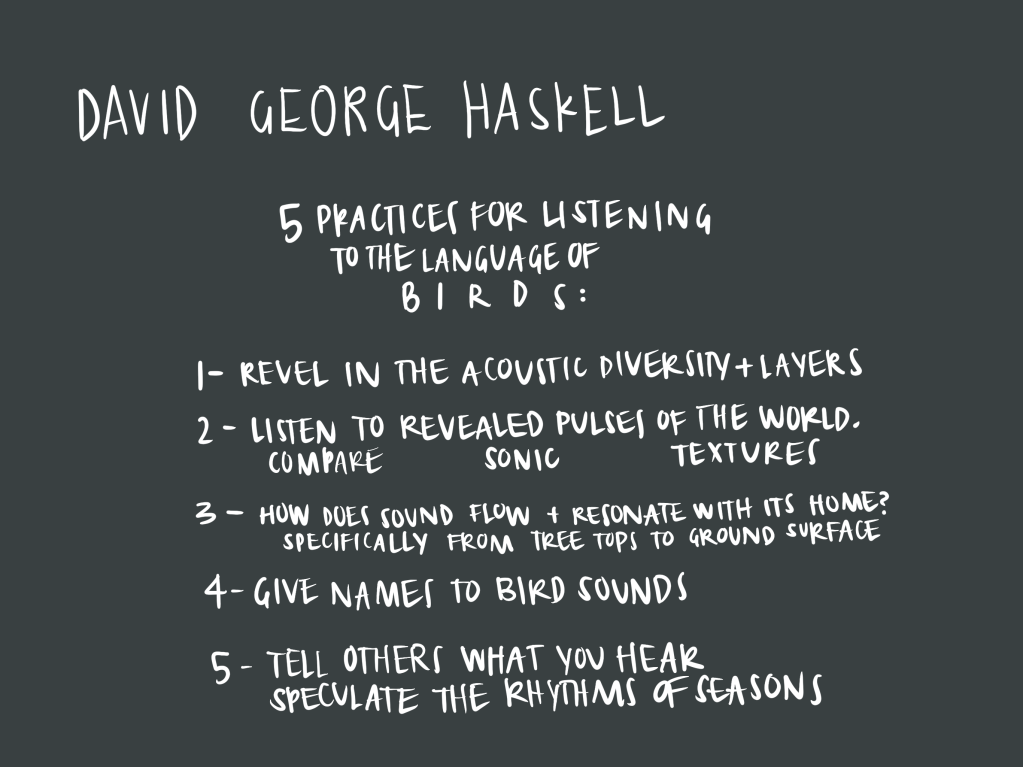
Walk Shop 5: Five Practices for Listening to the Language of Birds
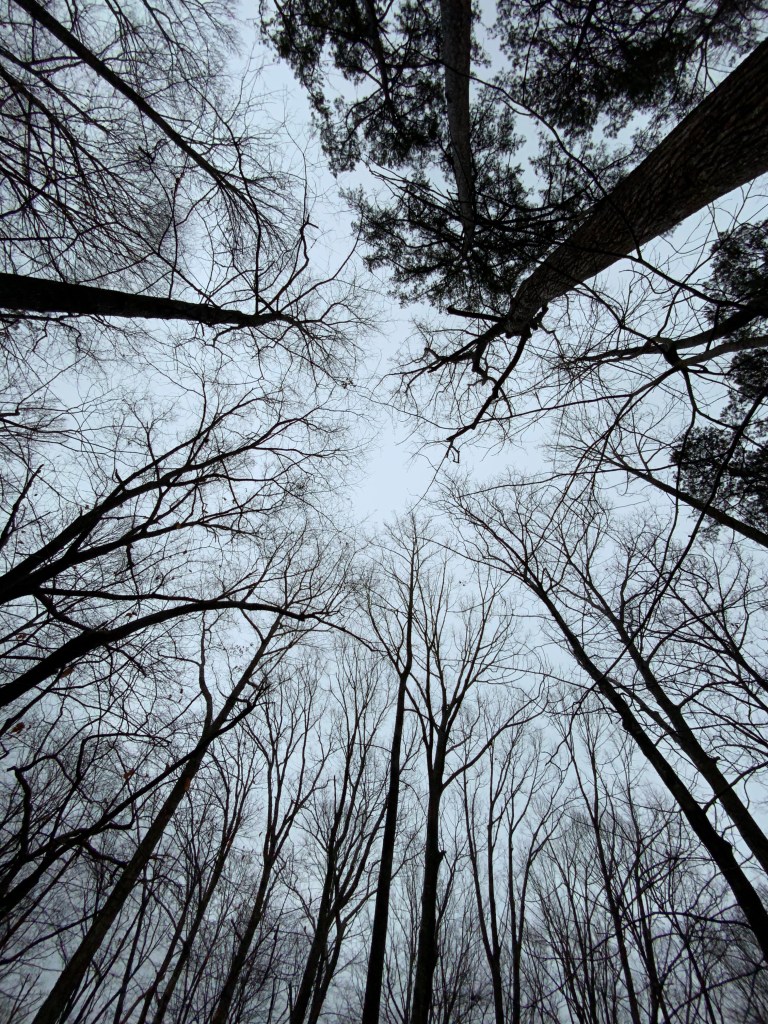
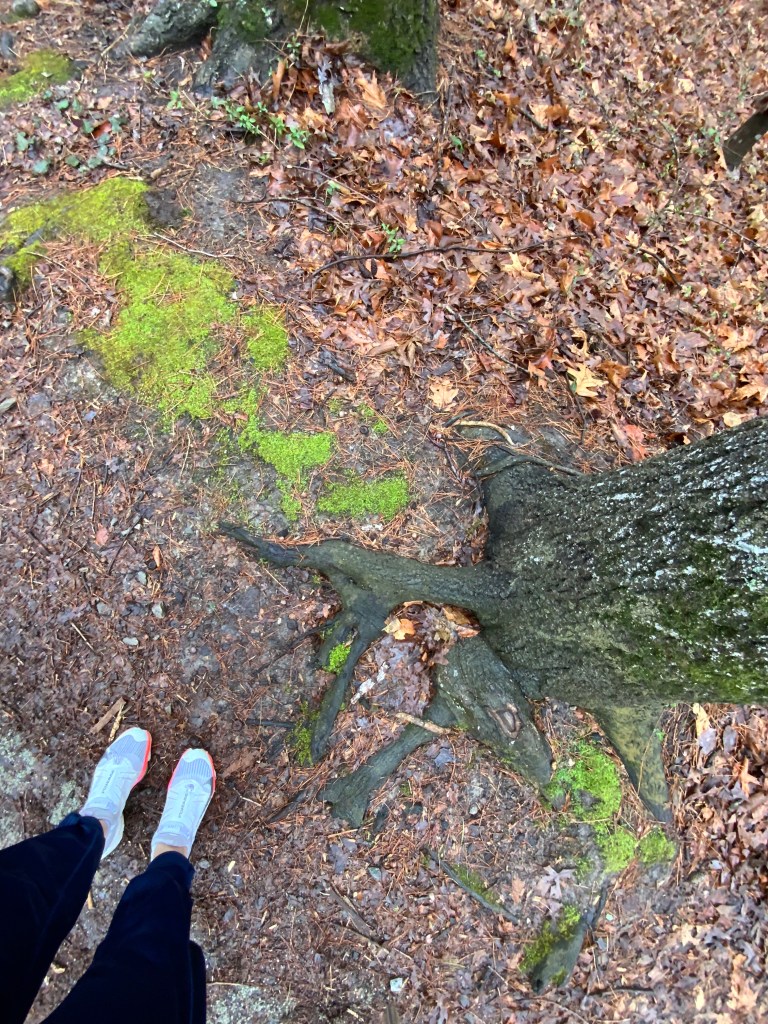
Walk Shop 6: Listening for Silence
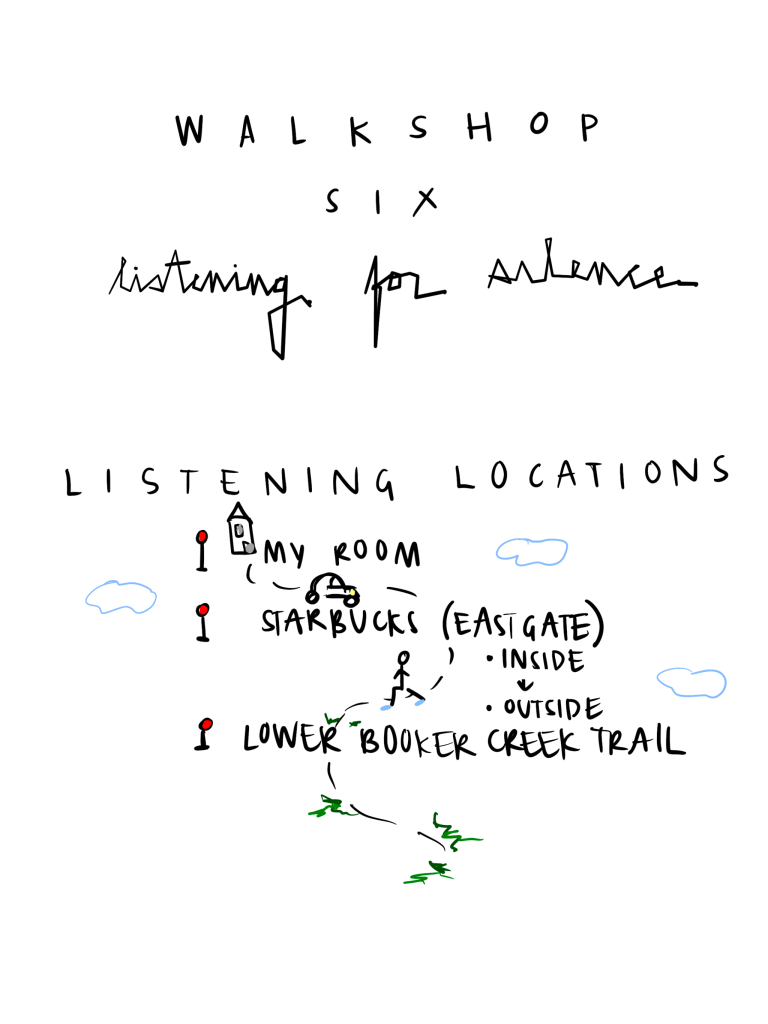
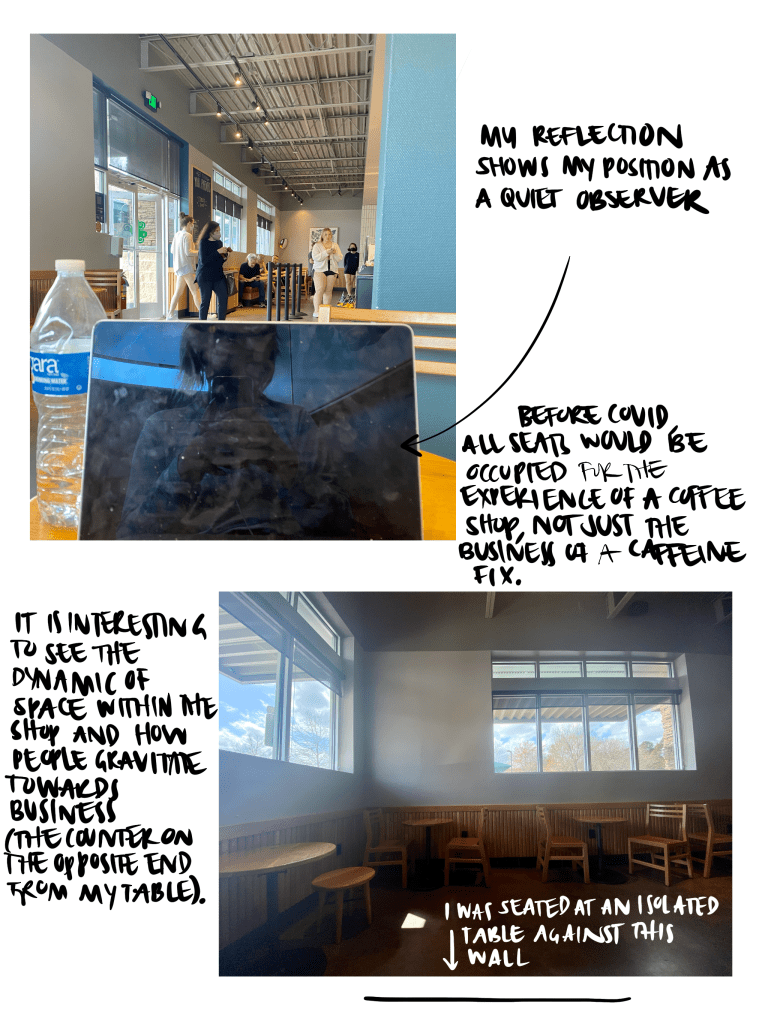
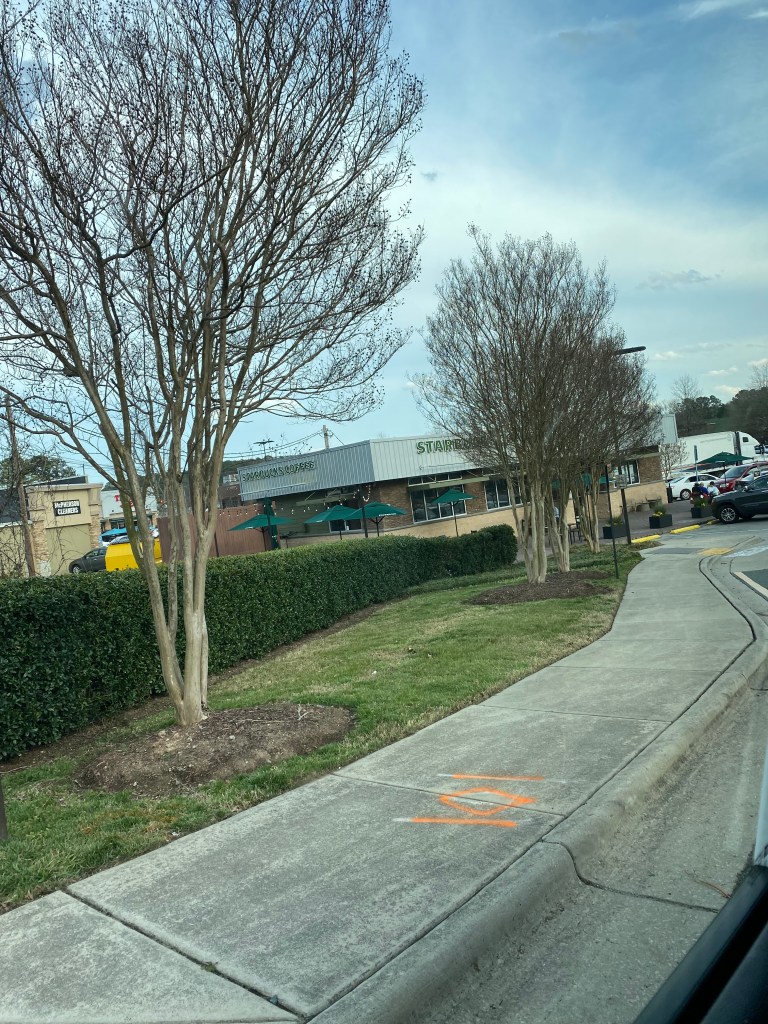
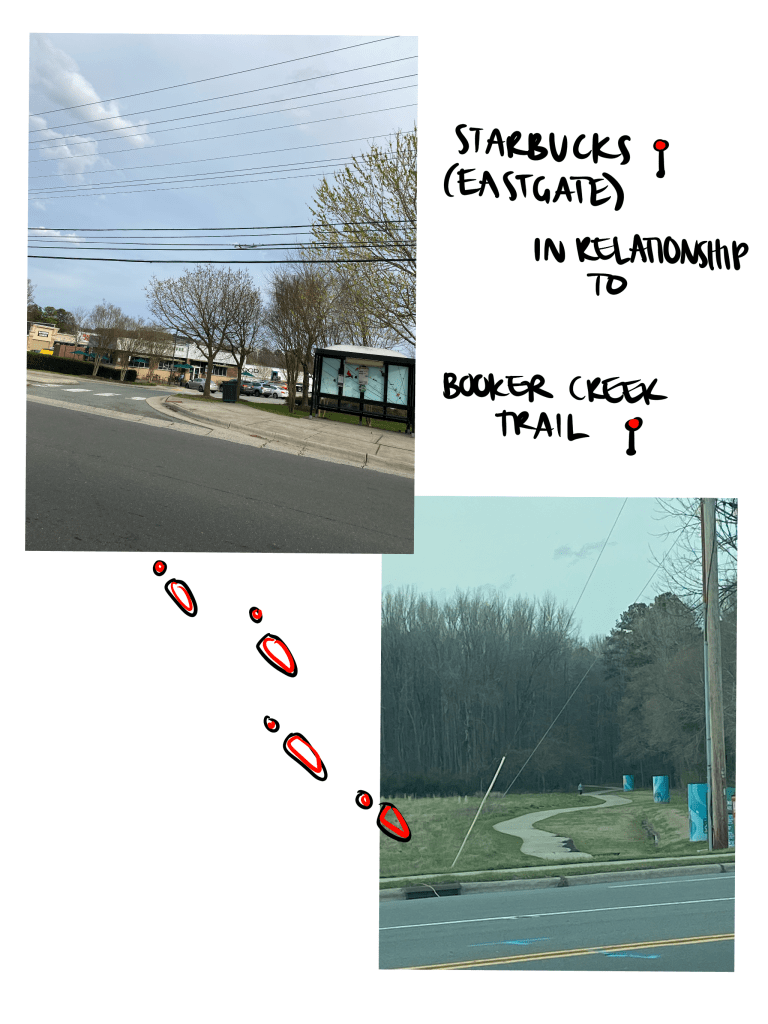
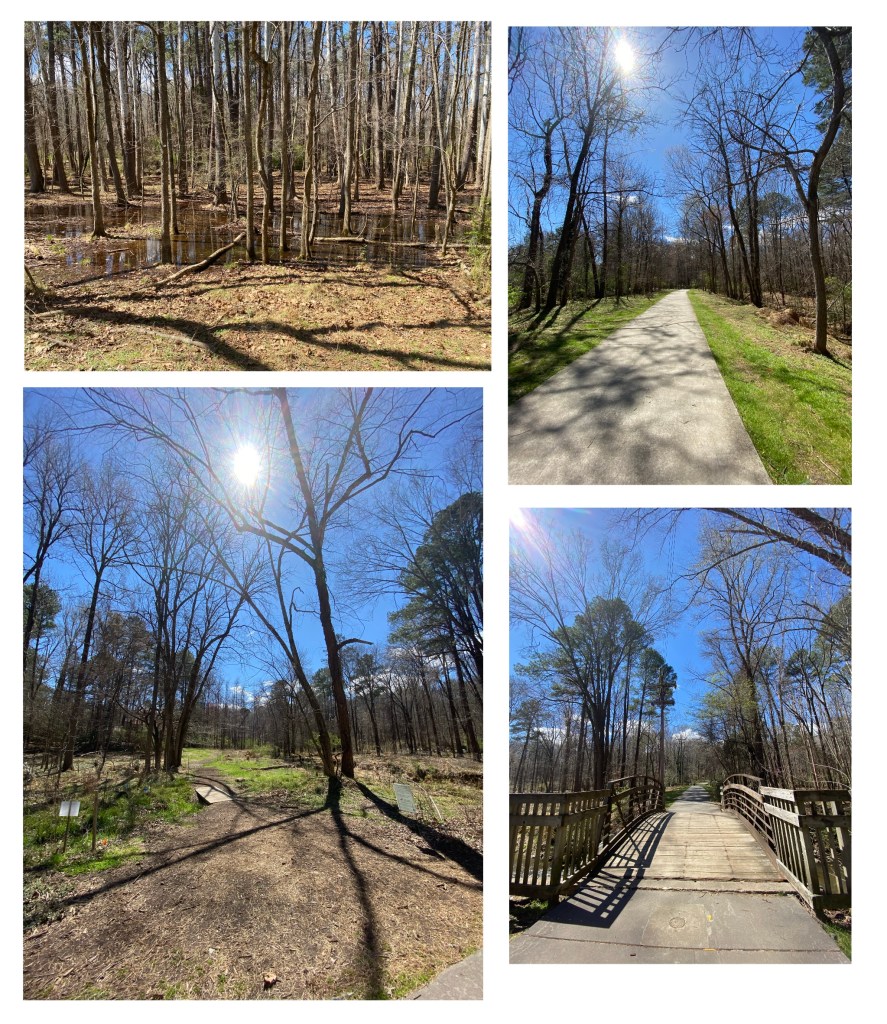
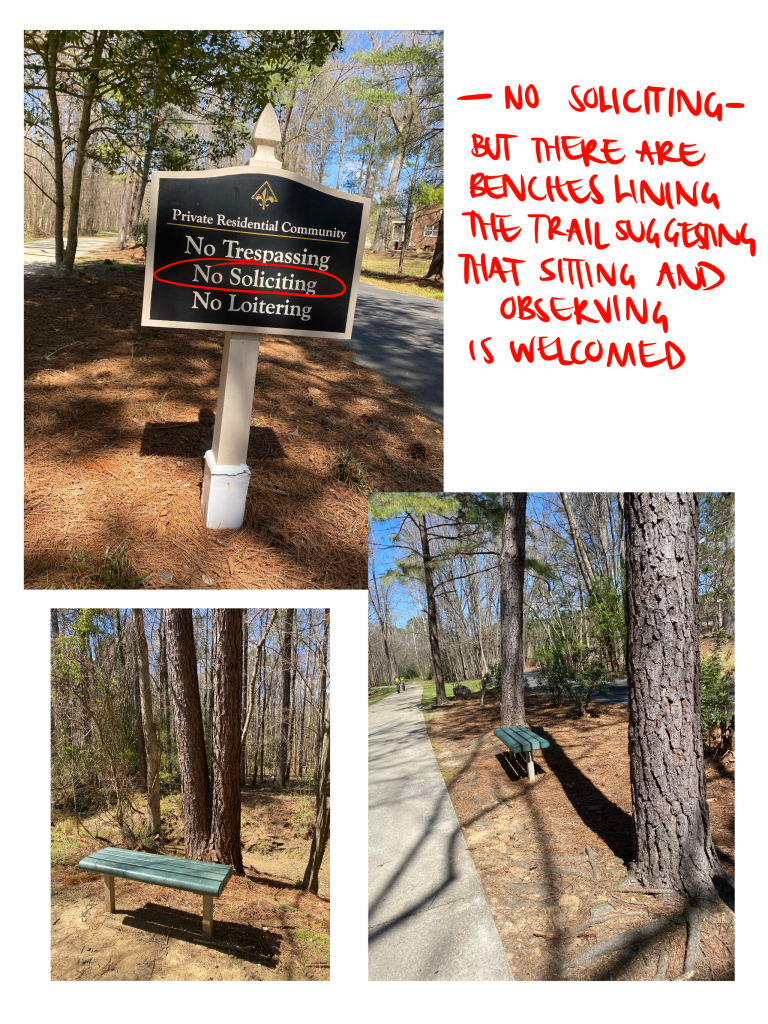
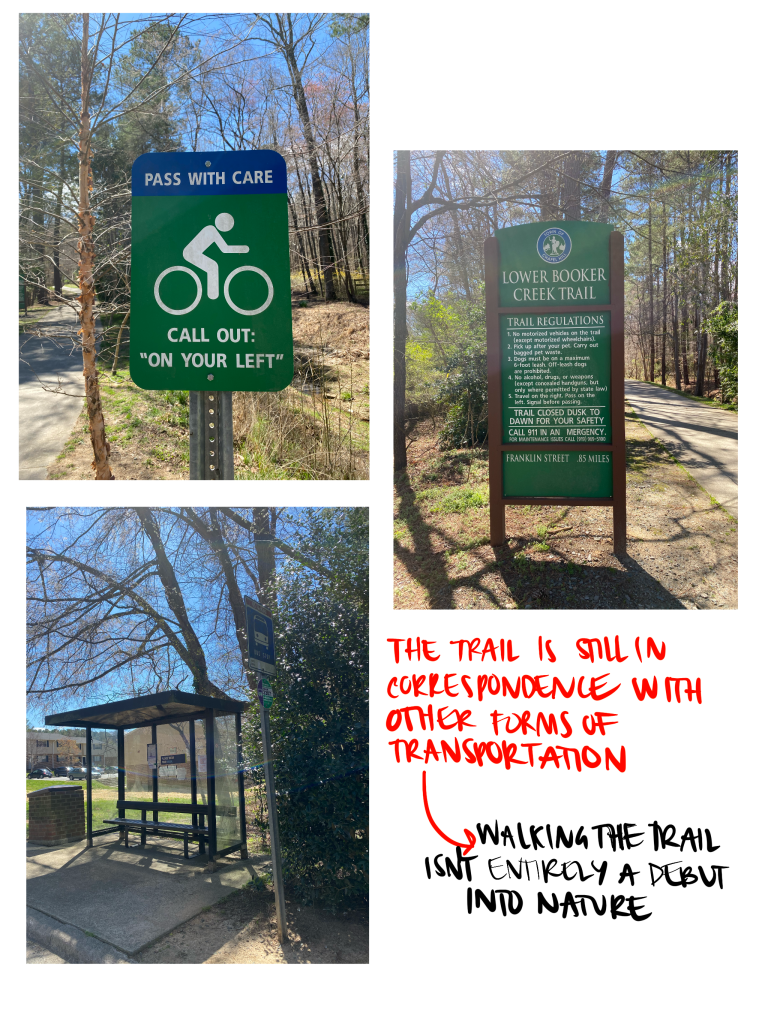
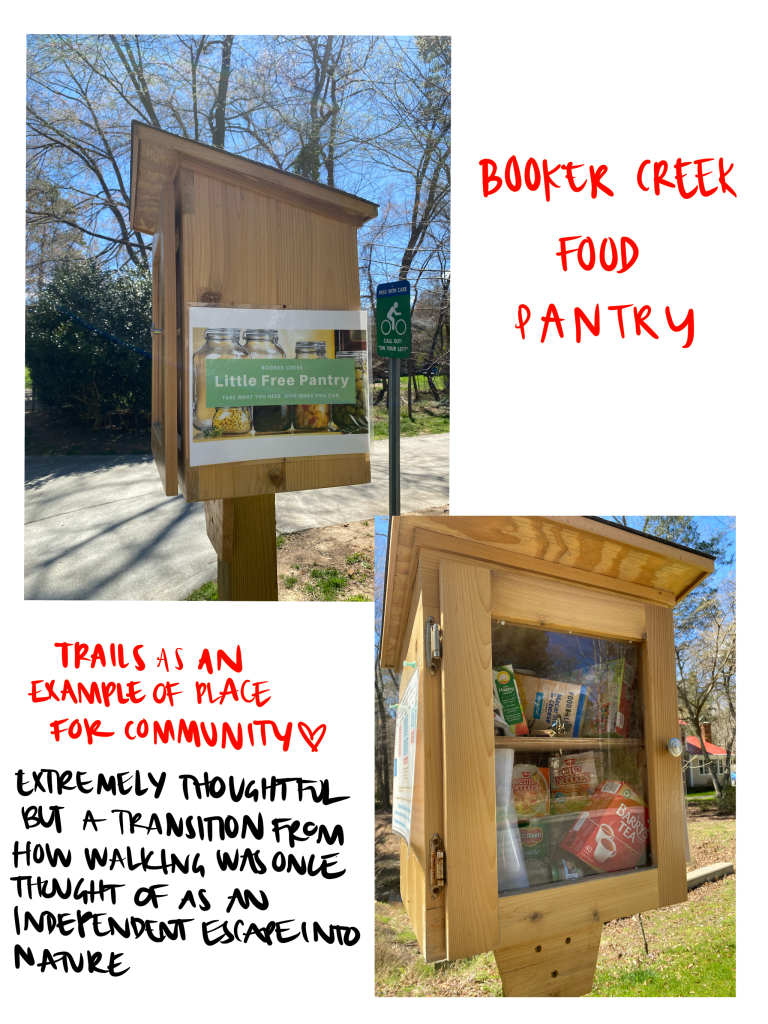
Walk Shop 7: Notes to the Novice Pedestrian
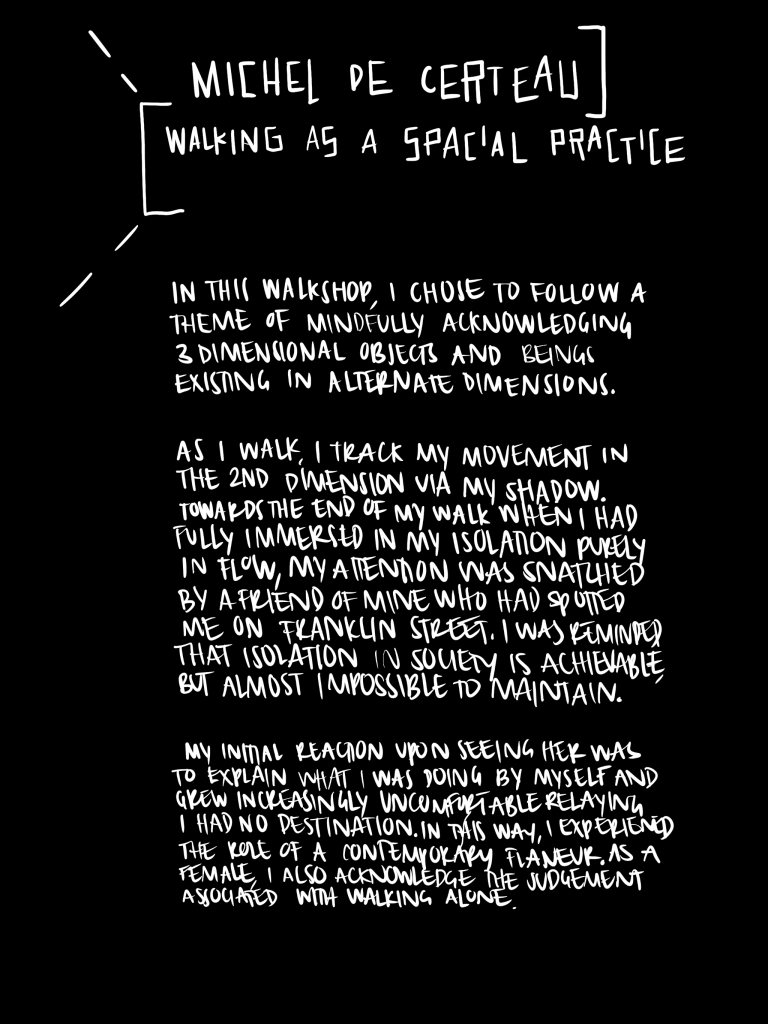
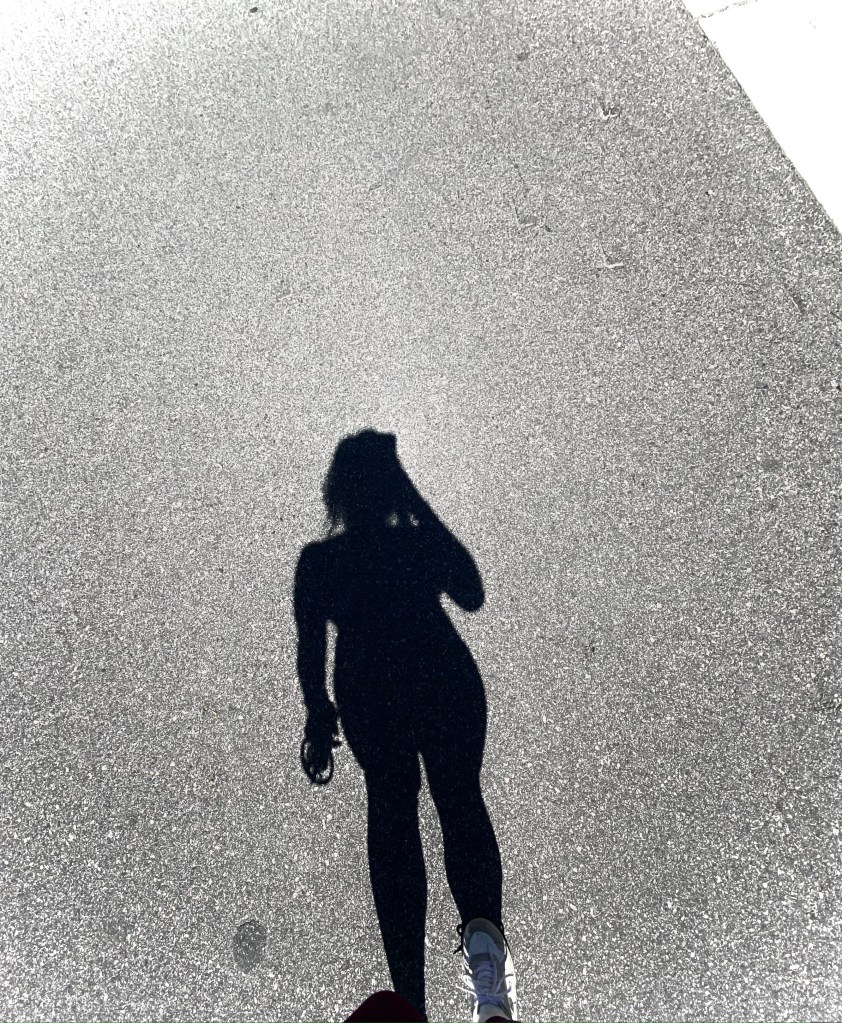
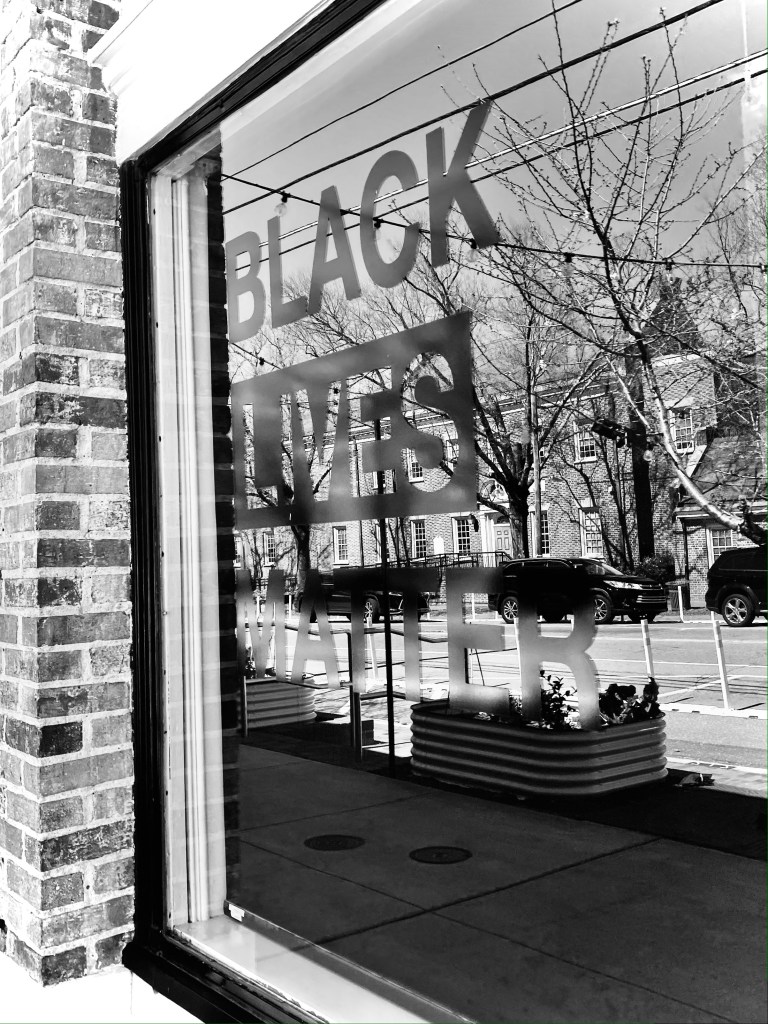
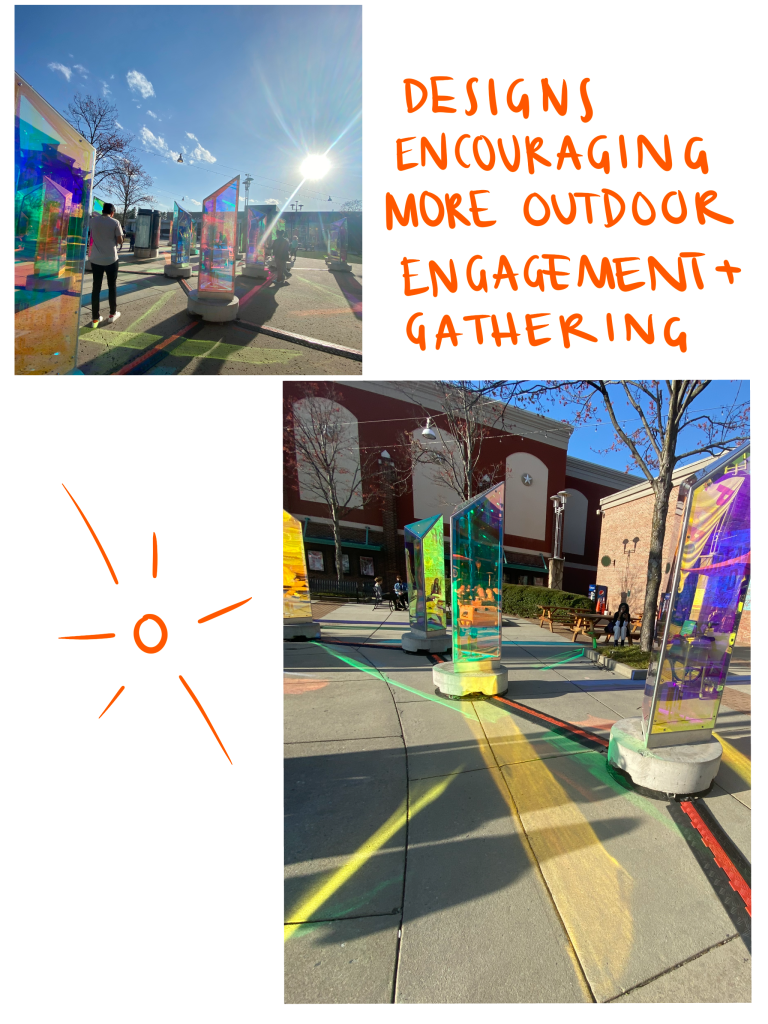
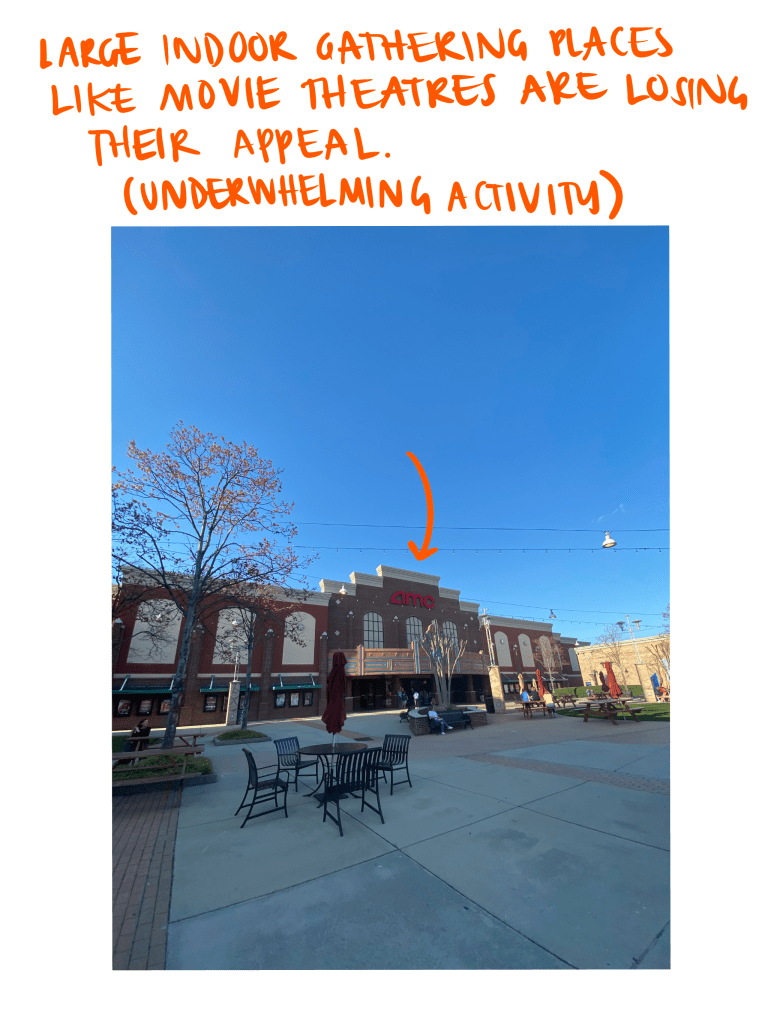
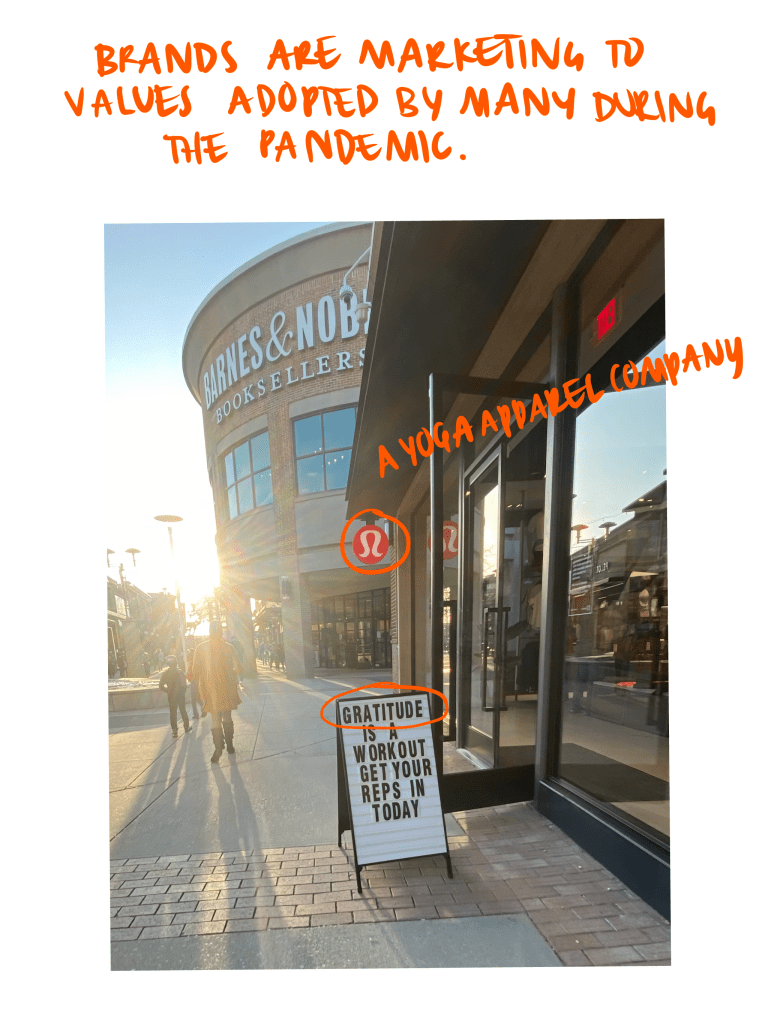
Walk Shop 8: Ambulant
Walkshop 9: Arriving with every step
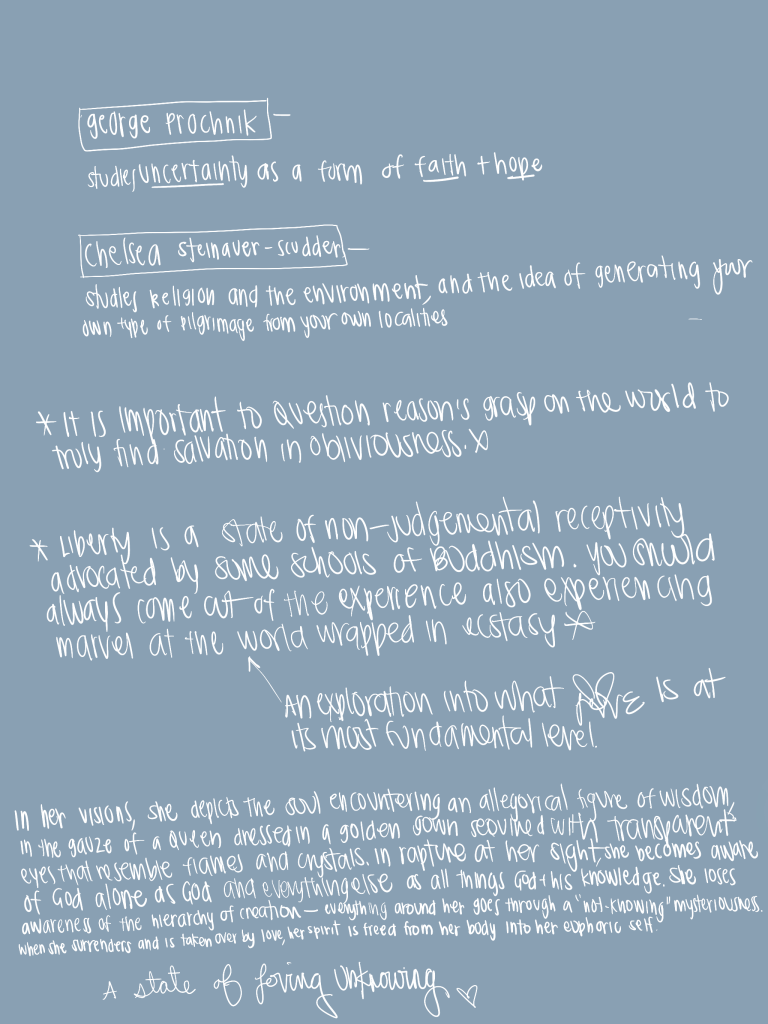
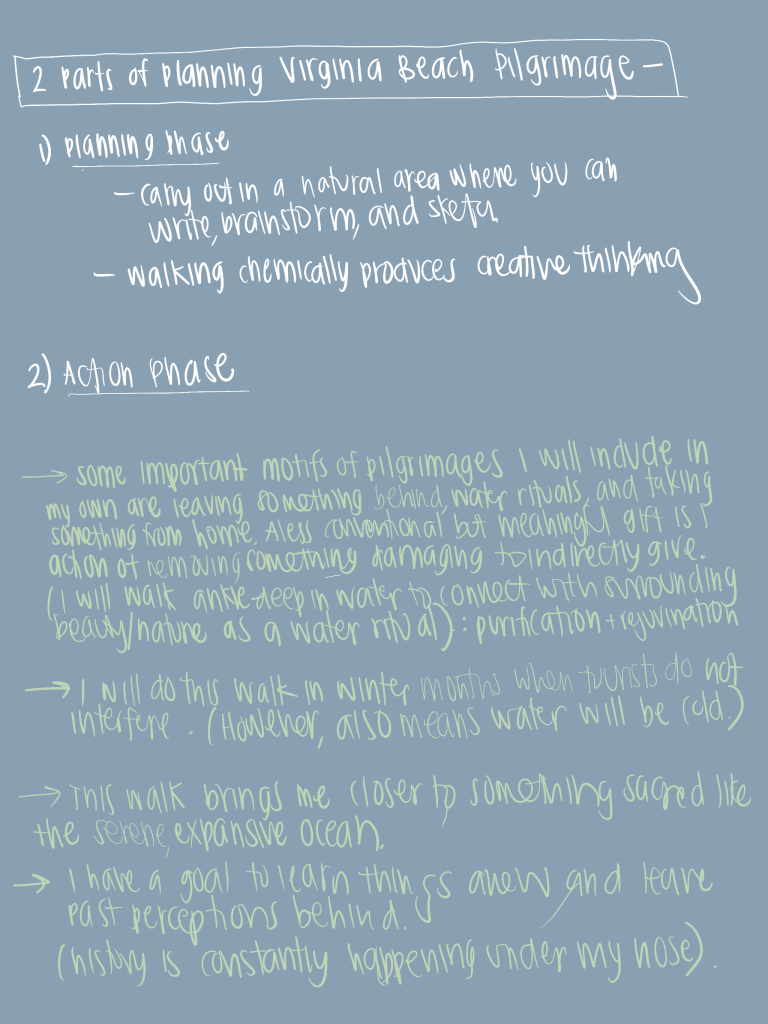
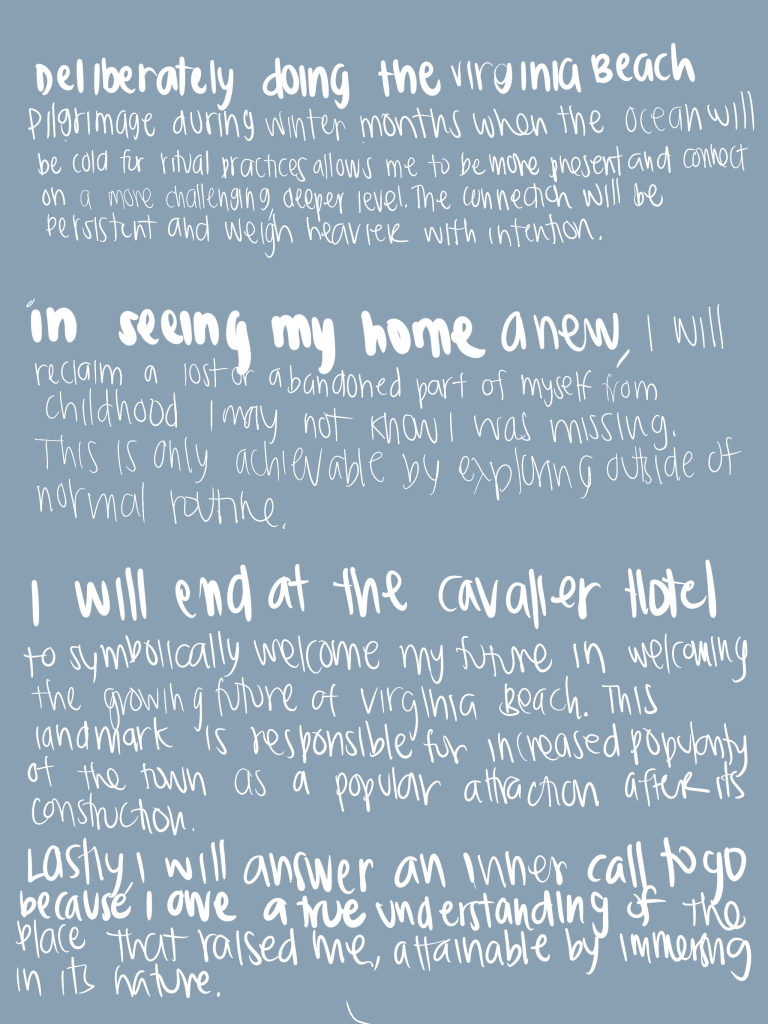
WalkShop 10: Going in Circles
WalkShop 11: Artist Recreation
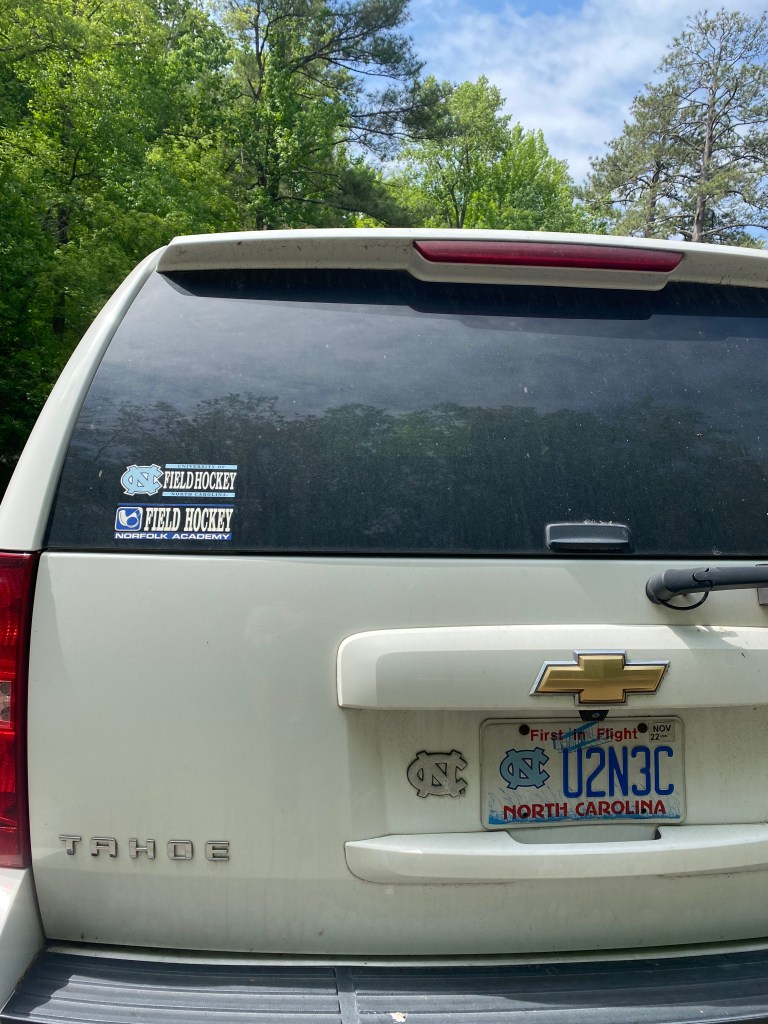
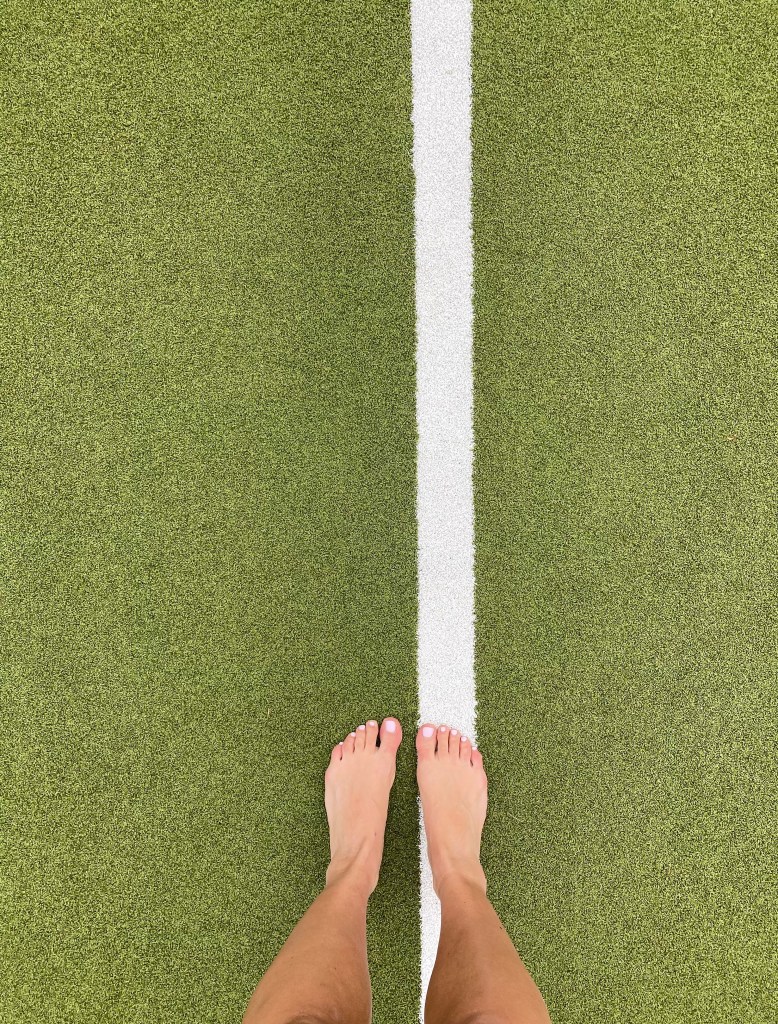
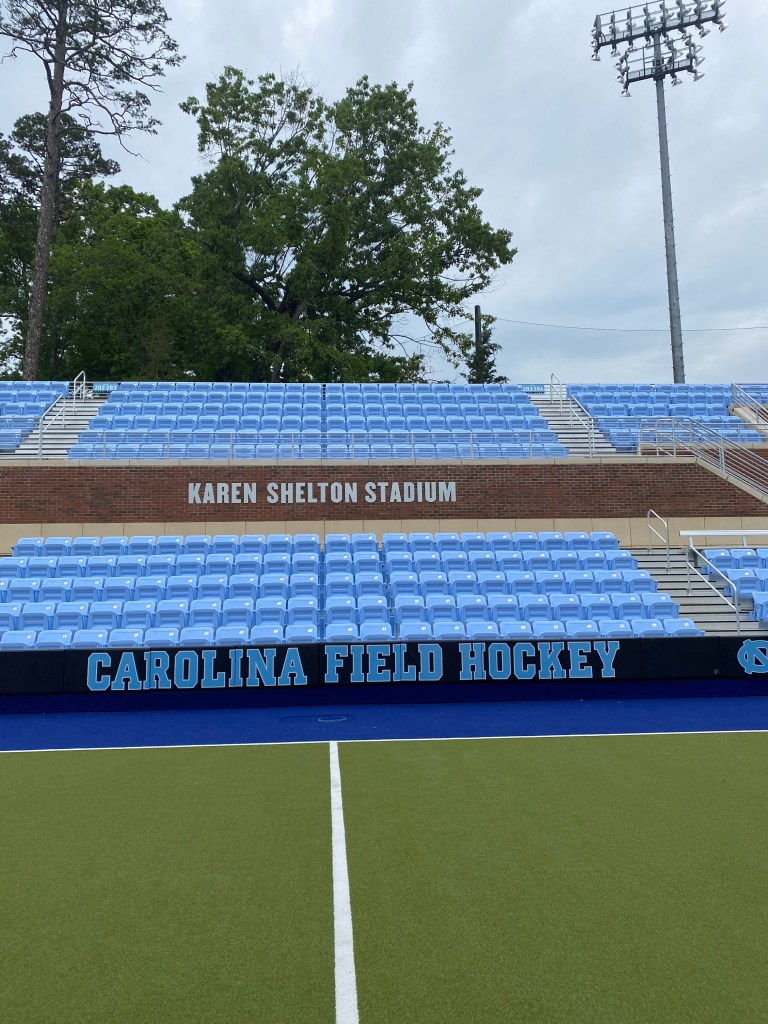
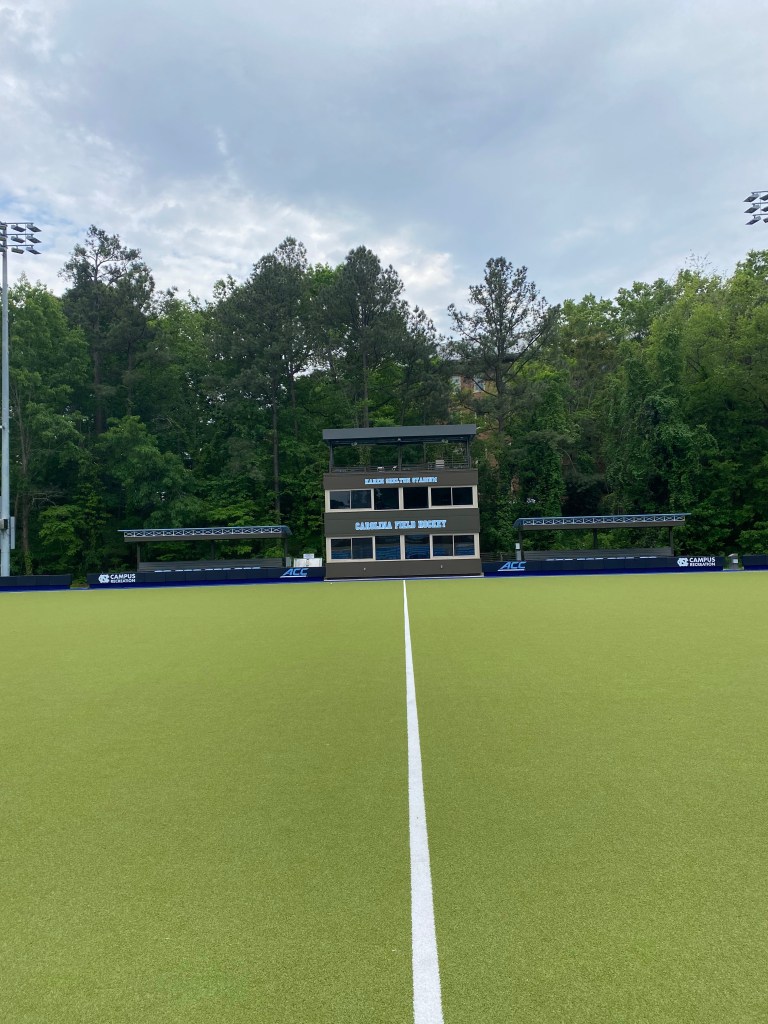
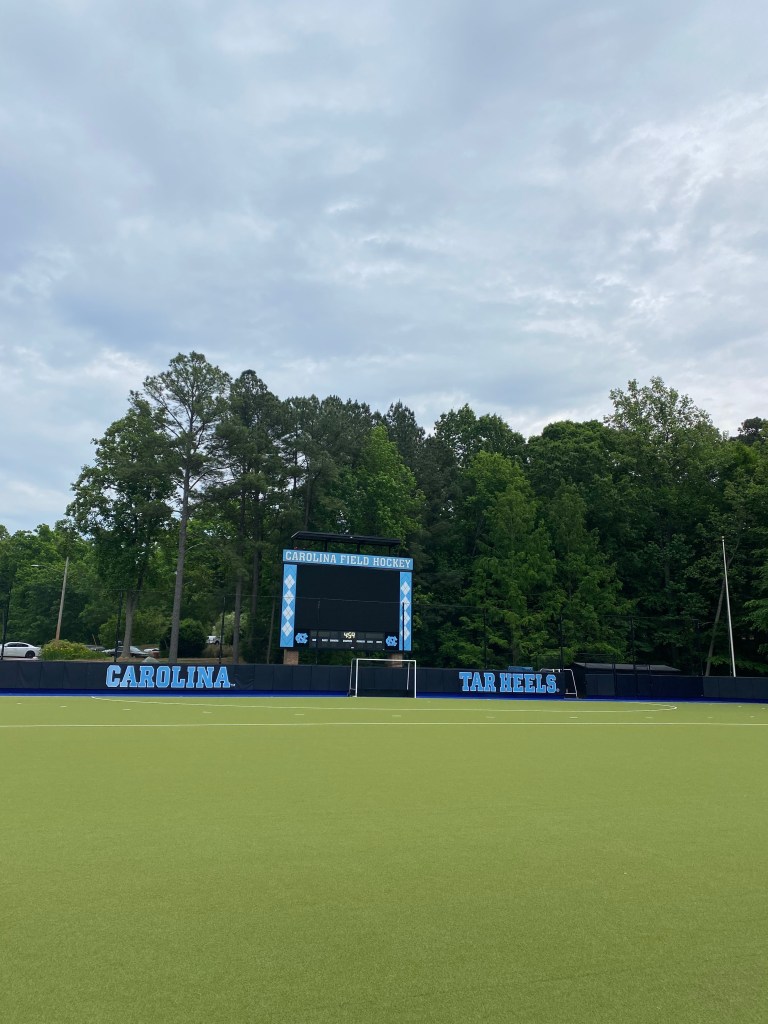
For this WalkShop, I chose to put my own spin on Richard Long’s “A Line Made by Walking” that emphasizes walking as performance art, innately ephemeral. Going back to a location where I carried significant portions of my field hockey career of highest elation and deepest disappointment, I hoped that by walking I could reflect on these passing emotions that still stir a deep emotional connection within me upon return. I walked the line between spectator (the stadium) and athlete (our home bench) as I also reflected on my career and what it means now to be in a limbo period of no longer an athlete for a semester, but still a student because field hockey is a Fall sport. I still consider myself an athlete who likes to find competitions with myself in day to day activities, and I still highly value fitness, yet I find it difficult to fill the gap that playing a Division 1 sport held. Lastly, I considered not just walking, but athletics in general as a form of ephemeral art. Each moment as both a spectator and athlete is fleeting. While it makes me nostalgic to consider knowing that I have run out of time in a Carolina jersey, this is what makes athletics so exhilarating and such a spectacle. The human body in performance art is the medium between the physical act and the art, in the same way a paintbrush is the mediator between paint and a surface.
WalkShop 12: Counter Tourism
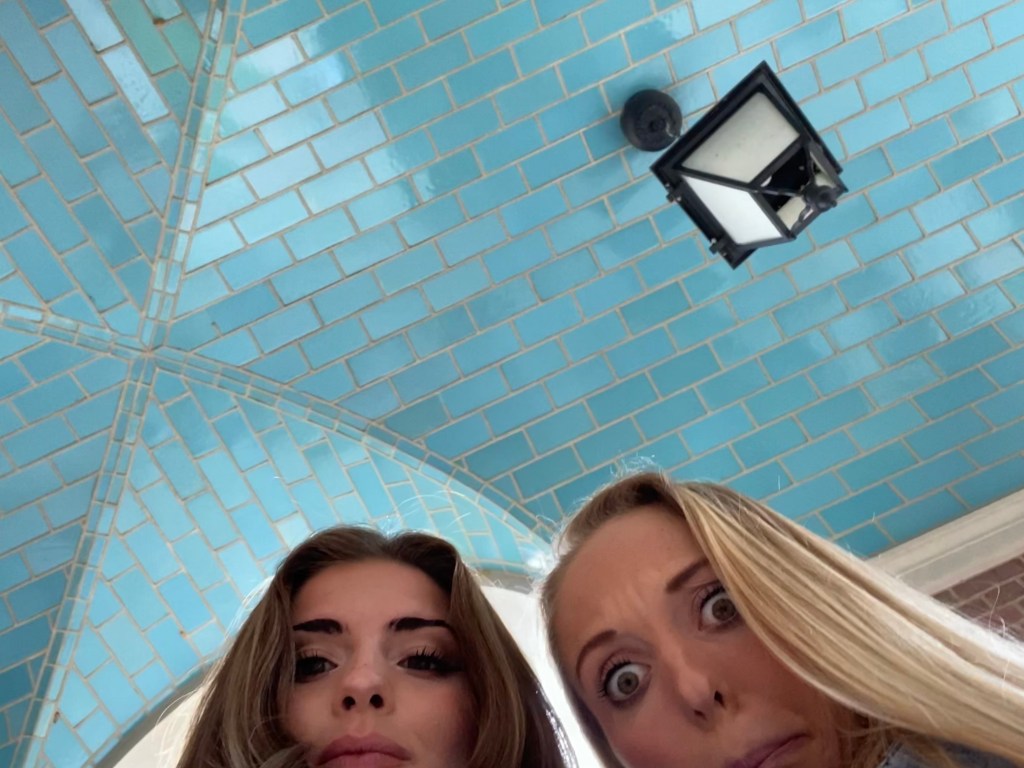
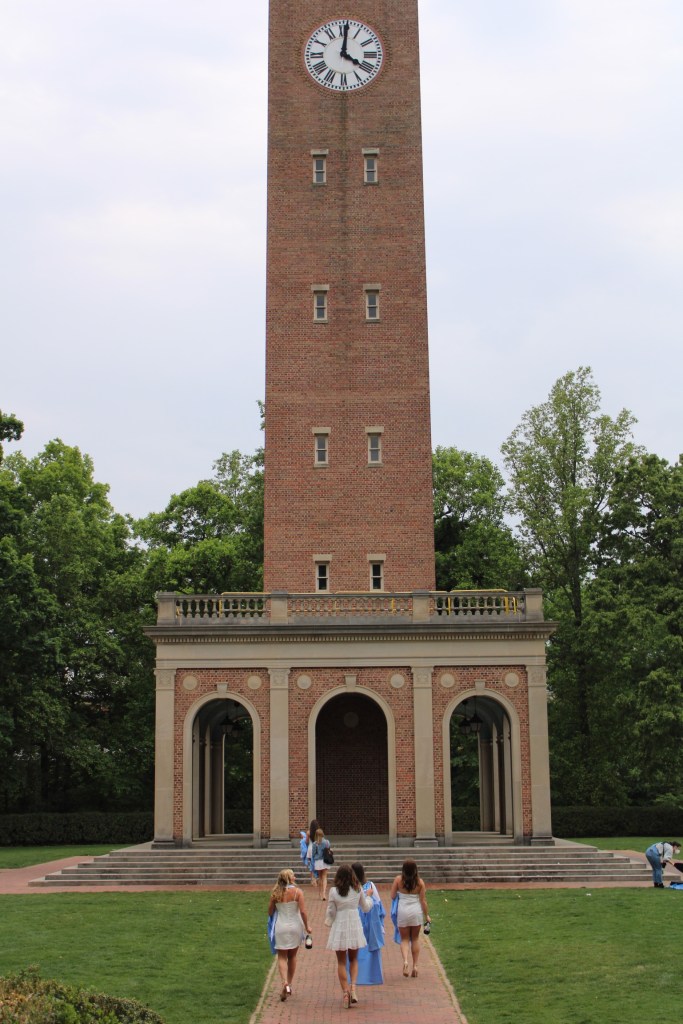
“Over-tourism” has moved from the travel industry to mainstream life and can be observed locally in Chapel Hill. As a senior, it’s ironic taking pictures in places we have walked by every day of Undergrad, but never bothered to snap a picture until leaving. The phenomenon of taking graduation pictures with symbols of the University such as the Bell Tower and Old Well does not capture candid memories of college that will enable us to recount fond memories down the road, but instead purely documents us with major attractions of campus making us tourists in place we have called home for four years. The exercise of spending an afternoon roaming campus collecting pictures at landmarks is commonplace for all seniors, making lines hours long while waiting your turn for a photo-op. The symbols of the university lose authenticity in a way because when seniors are flooding them with lines for pictures, they are unable to be used towards their true function. From a purely aesthetic standpoint as well, visually the structures are more difficult to appreciate when chaos and activity storms about them.
New York City experienced “over-tourism” when the value of the city for marketing began to be taken advantage of, leading to the demise of Times Square. There is a desire to see and know something else developing a common narrative of the city. “Over-tourism” creates an insider and outsider dynamic in cities as locals feel privy to the outsider, shallow experience. Tourism is a mixed blessing as I have come to realize having been a tourist myself a few weeks ago. The output of beautifully photographed, high quality photos with symbols of UNC look good on the school and market it as an attractive place to learn, live, and seek a college education.
 The Art of Walking by Riley Fulmer